Vicosight Integrate: a complete feature guide
Vicosight Integrate is a data connectivity feature that enables you to link data sources directly to your InDesign and InCopy documents, reducing...
2 min read

Sustainability reporting is the structured disclosure of an organisation’s ESG impacts. At its core, it is about:
Done well, it is not simply a compliance exercise – it is a leadership tool, showing how organisations are preparing for the risks and opportunities of the future.
Key Frameworks & Standards
Global frameworks provide the structure and credibility needed to make sustainability disclosures clear and comparable. The most important include:
Leading organisations view sustainability reporting not just as risk management, but as a driver of value. Benefits include:
In short, strong reporting is not just about compliance – it is also about competitiveness.
A structured approach ensures credibility and actionability. Four key stages are:
1. Data Collection & Management : Gather ESG data consistently across the organisation, using tools that guarantee completeness and accuracy.
2. Materiality Assessment: Focus efforts on the ESG topics that truly matter for both your business and stakeholders.
3. Reporting & Assurance: Align disclosures with chosen standards and seek external assurance for credibility.
4. Publication & Communication: Ensure accessibility and transparency – publishing the report across different platforms and tailoring communications to different stakeholders might make a real difference.

Many organisations struggle with similar issues, like poor data quality to begin with, or the endless back and forth between stakeholders. Let's see how you could tackle the major challenges that all Sustainability teams face to produce an accurate and valuable report:
Data quality: Incomplete or inconsistent data undermines trust. The solution? To use strong data management systems and regular audits.
Stakeholder engagement: Different stakeholder voices can be difficult to align. Surveys, interviews, and workshops build inclusivity and trust. Use a tool that guarantees easy review of all stakeholder comments, so nothing get lost between email or flying post-it - check how CtrlPrint can help you with that.
Regulatory compliance: With regulations evolving quickly, ongoing monitoring – and specialist support – ensures reporting remains aligned with the latest standards.
FAQs
What is a sustainability reporting framework example?
The GRI Standards – providing comprehensive guidance across ESG areas.
What is the sustainability reporting requirement in the EU?
The EU’s CSRD obliges large companies to disclose detailed ESG data using ESRS standards.
What are sustainability reporting guidelines?
Structured recommendations, such as those from GRI or TCFD, to ensure transparent and comparable ESG disclosures.
What is the difference between sustainability reporting and ESG reporting?
Sustainability reporting takes a broad view across environmental, social, and governance areas. ESG reporting often narrows in on financially material issues relevant to investors.
How CtrlPrint Can Help
CtrlPrint addresses the complex challenges of corporate reporting by providing a unified platform for financial and sustainability disclosures. Our solution helps teams streamline the entire reporting process – from drafting and data compilation to compliance and final publication. Key functionalities include:
Request a demo today and see how our collaboration platform simplifies your corporate reporting challenges, empowering your company to deliver compliant, credible sustainability reports effortlessly.
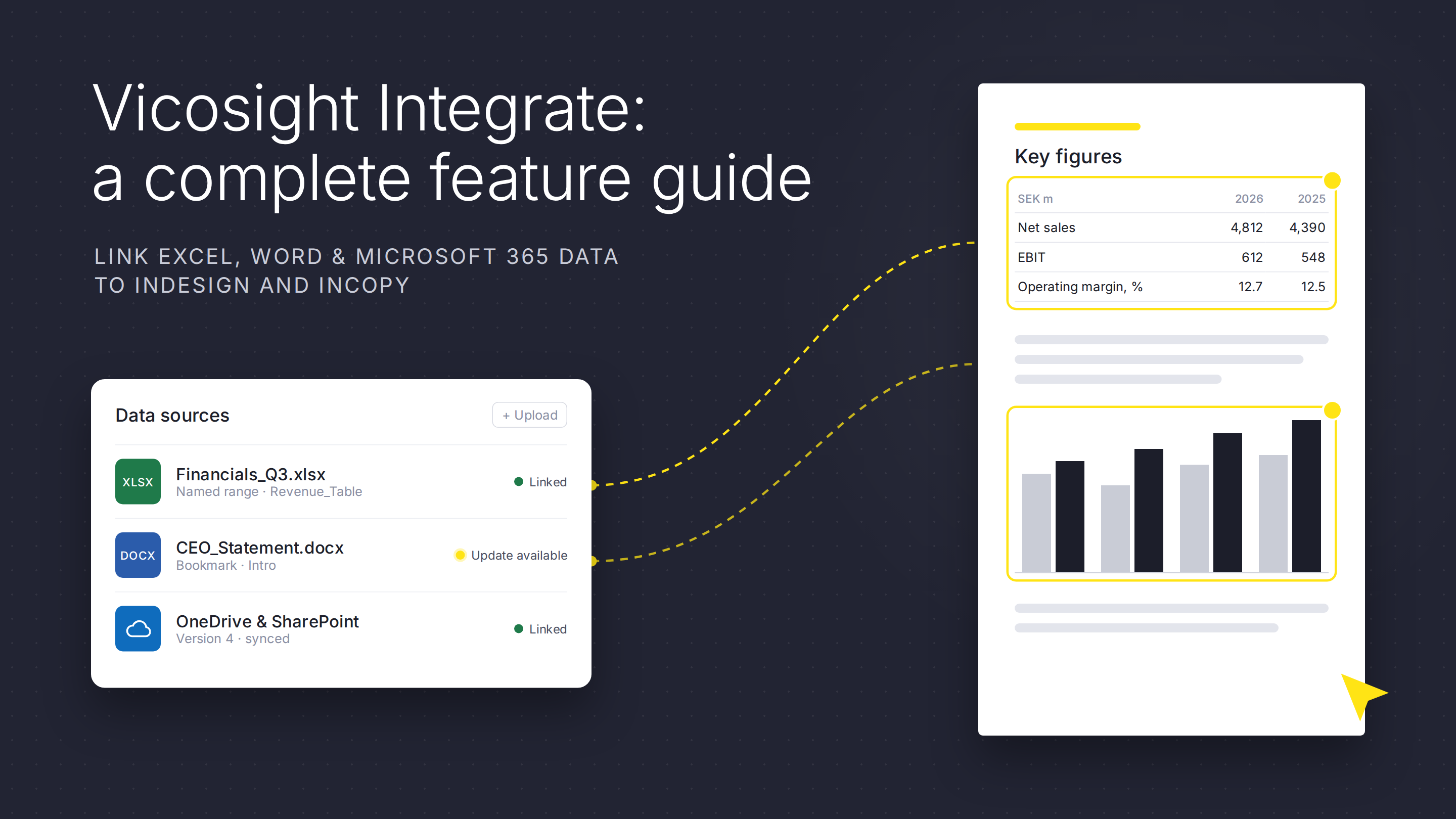
Vicosight Integrate is a data connectivity feature that enables you to link data sources directly to your InDesign and InCopy documents, reducing...
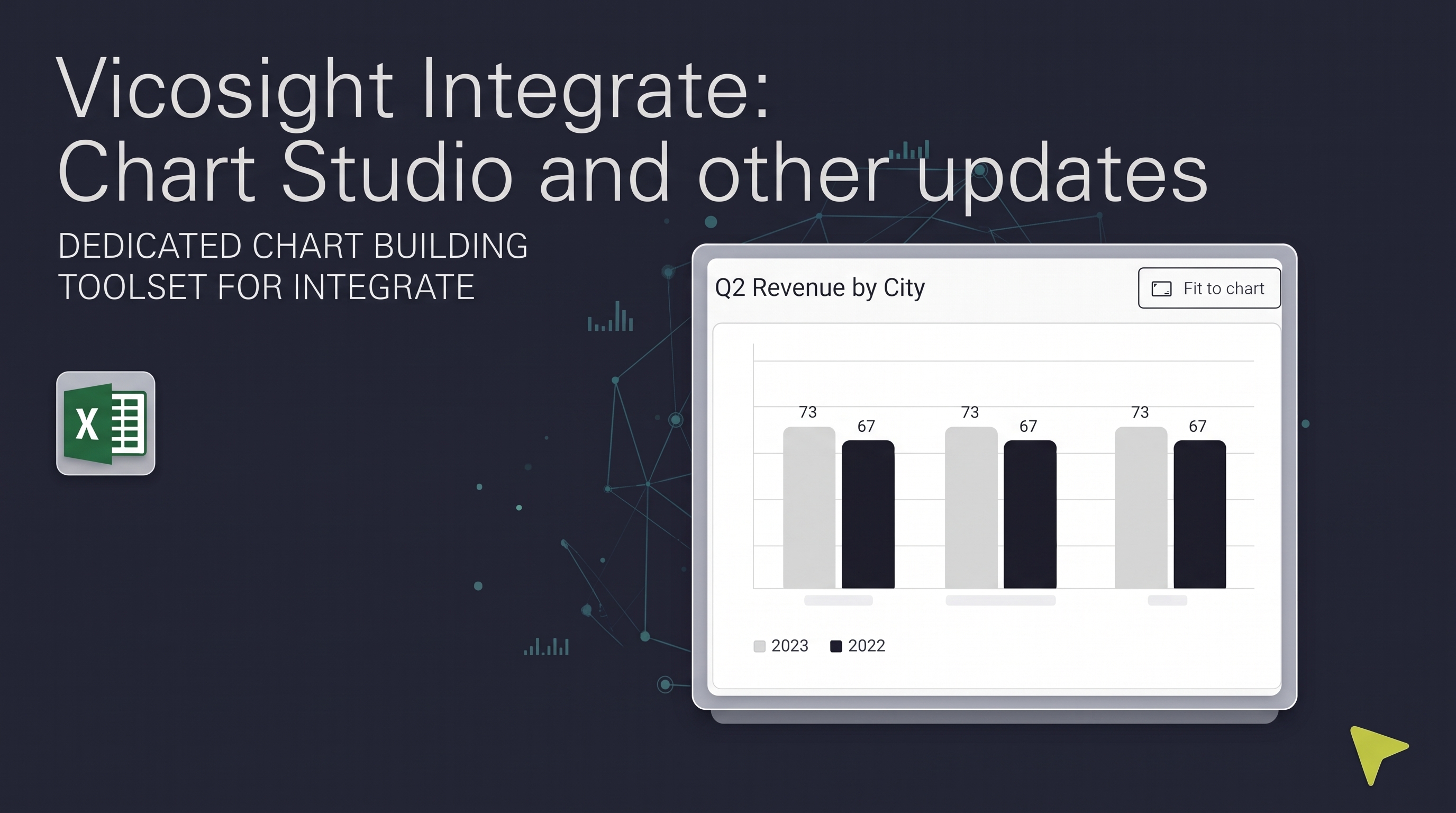
Over the past several months, Vicosight Integrate has received a series of updates introducing new capabilities and improvements to data handling,...

CtrlPrint has officially transformed into Vicosight, evolving from a trusted production tool into a modern digital ecosystem. Transitioning a 25-year...

Learn about ESEF regulations, the importance of ESEF taxonomy and tagging, and how CtrlPrint helps companies produce compliant digital financial...

Discover how to streamline your sustainability report design process. We explore how to manage evolving regulations like CSRD and UKSEF without...

Learn about the CSRD directive and how it enhances sustainability reporting. Understand its impact on businesses and how CtrlPrint can help you...