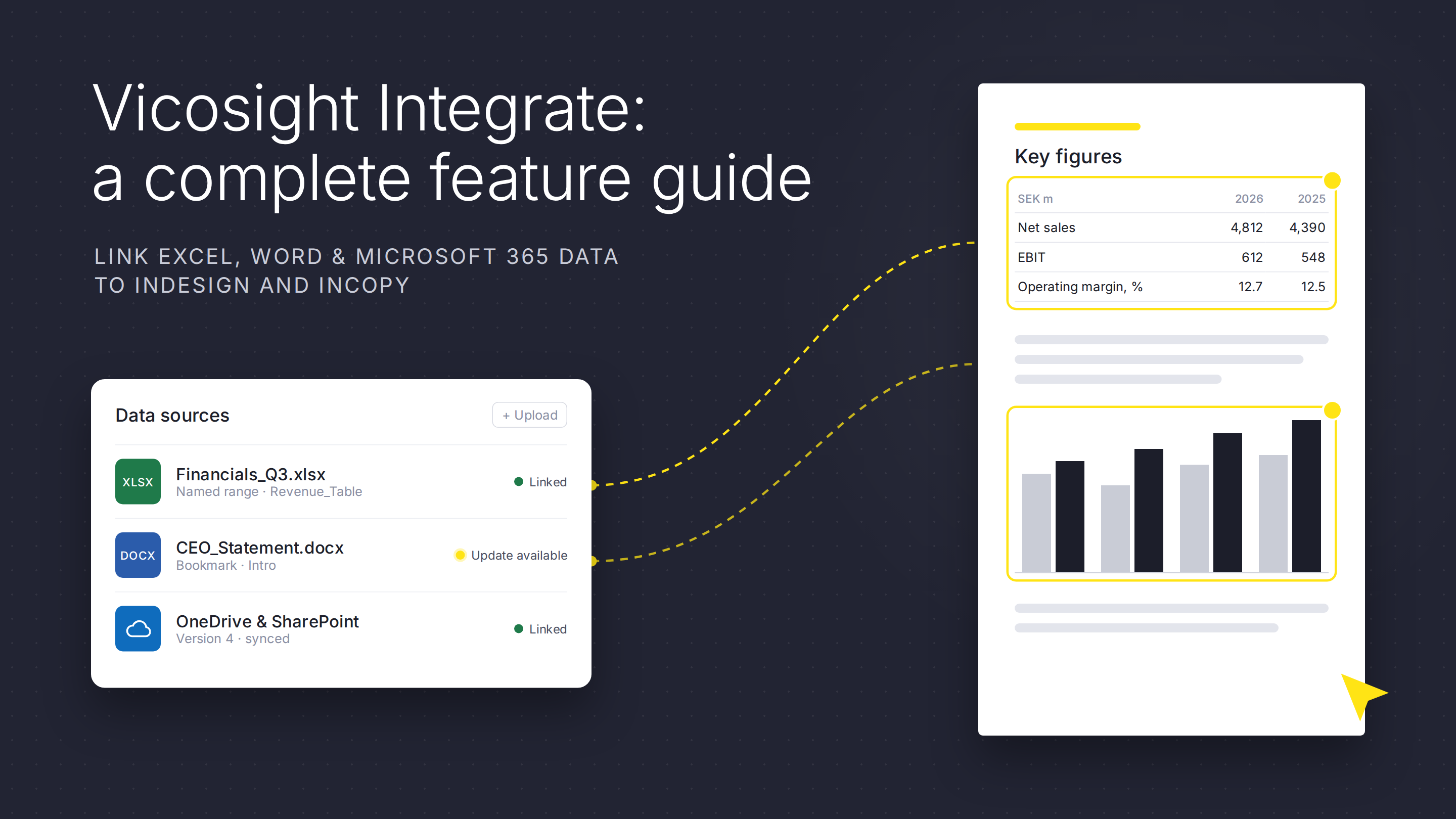
Vicosight Integrate: a complete feature guide
Vicosight Integrate is a data connectivity feature that enables you to link data sources directly to your InDesign and InCopy documents, reducing...
2 min read

Agnes Sundblad : Published Updated
Multinational companies rarely face a simple landscape when it comes to financial reporting. While IFRS is the global benchmark for transparency and consistency, local GAAP standards still carry significant weight in many markets.
This is especially true in the Nordics and Benelux. Finnish GAAP (FAS), Danish GAAP, and Dutch GAAP sit alongside IFRS, creating both opportunities and challenges for organisations operating across borders.
In Denmark, reporting is guided by the Financial Statements Act. Companies are divided into classes A to D, meaning obligations grow with company size.
Danish GAAP relies heavily on historical cost. Goodwill is amortised (up to ten years), exemptions exist for smaller groups, and deferred tax recognition is limited.
Under IFRS, the picture changes. Goodwill is never amortised but tested each year. Disclosure is more extensive, fair value is used more widely, and stricter consolidation rules apply.
For domestic companies, Danish GAAP often feels pragmatic. For those seeking global investors, IFRS is more compelling.
Read more in our spotlight article about Danish Gaap.
Finnish GAAP, also called FAS, is built around the Finnish Accounting Act. FAS prioritises prudence and creditor protection and makes limited use of fair value. Goodwill is amortised rather than tested, and smaller businesses benefit from simpler requirements.
IFRS takes a different approach. Annual impairment testing is mandatory for goodwill, deferred tax must be recognised more broadly, and fair value plays a central role.
In practice, listed companies in Finland must apply IFRS. Non-listed businesses often stick with FAS when efficiency and lower complexity are more important than global comparability.
Dutch GAAP, overseen by the Dutch Accounting Standards Board, is flexible and pragmatic. It allows policy choices and scaled requirements. Goodwill is amortised, revenue recognition rules are prescriptive, and exemptions apply to smaller groups.
IFRS introduces uniformity. Goodwill is tested annually instead of amortised, revenue follows a five-step model under IFRS 15, and fair value is more common.
Many international Dutch companies lean towards IFRS to meet investor expectations. Those focused on the domestic market often choose Dutch GAAP for its efficiency.
Read more on our Dutch GAAP article here.
Across Finland, Denmark, and the Netherlands, the contrasts are clear.
For multinational organisations, this often means dual reporting: statutory accounts in local GAAP and consolidated accounts in IFRS. It is resource-heavy but enables cross-border trust and investment.
The choice between frameworks is not only a compliance issue; it affects how companies are valued and how stakeholders build confidence. CtrlPrint helps organisations manage this complexity by streamlining processes across multiple standards. Whether you report under FAS, Danish GAAP, Dutch GAAP, or IFRS, we provide collaborative tools to ensure accuracy, efficiency, and consistency.
By bridging national requirements and international expectations, CtrlPrint enables companies to deliver reporting that is both compliant and brand-proofed.
Vicosight Integrate is a data connectivity feature that enables you to link data sources directly to your InDesign and InCopy documents, reducing...
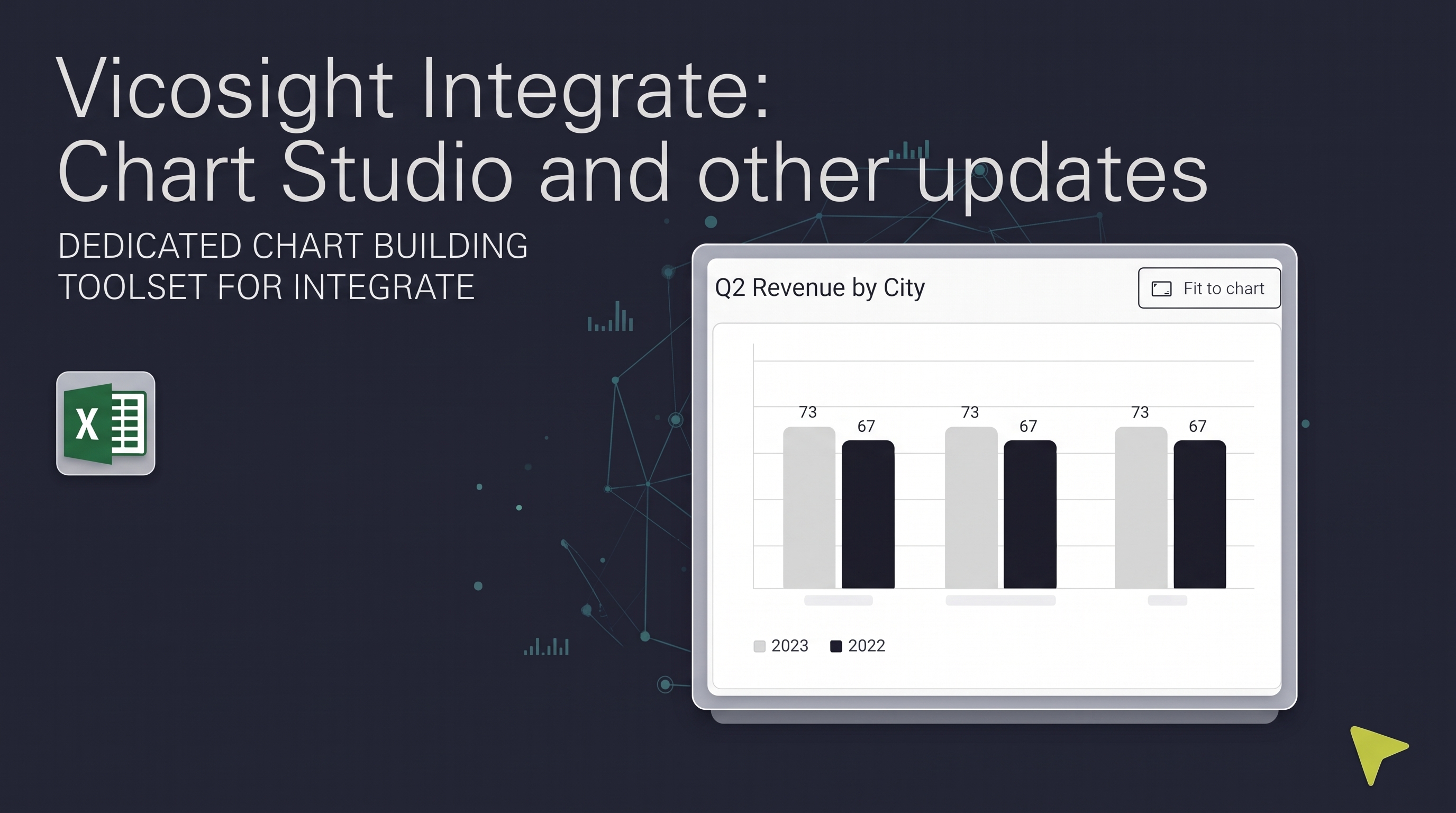
Over the past several months, Vicosight Integrate has received a series of updates introducing new capabilities and improvements to data handling,...
CtrlPrint has officially transformed into Vicosight, evolving from a trusted production tool into a modern digital ecosystem. Transitioning a 25-year...

Learn what Danish GAAP is, how it compares with IFRS, and why these frameworks matter for companies and investors doing business in Denmark.

Discover the key changes brought by IFRS 18 and the ESEF 2025 taxonomy, including impacts on financial reporting and tagging strategies for companies.

Explore the key differences between Dutch GAAP and IFRS, and learn what these frameworks mean in practice for CFOs, auditors, and international...