2 min read

Navigating double materiality: a global shift in North American reporting

Navigating double materiality: a global shift in North American reporting

For North American reporting leaders, the regulatory landscape has traditionally been defined by a clear focus: financial materiality. This standard asks: if a risk doesn't threaten the bottom line, is it material?

With the advent of the European Sustainability Reporting Standards (ESRS), the rules of engagement are changing. US and Canadian companies with a significant footprint in the EU are now facing a comprehensive new standard. At the heart of this shift lies double materiality, a concept that requires a holistic view of the company's place in the world. This approach is increasingly familiar to large firms seeking alignment with global best practices like GRI.

The dual perspective: impact meets finance

Under the familiar single materiality lens (favoured by the ISSB and SEC), a company asks: how do sustainability issues, like climate change, impact our balance sheet?

Double materiality demands a second, equally important question: how does our company impact the world?

This "inside-out" perspective covers everything from environmental pollution to human rights across the supply chain. Under ESRS, a matter is material if it meets the criteria for either impact materiality or financial materiality. You cannot disregard a significant environmental impact simply because it doesn’t yet affect your profits.

The data challenge: breaking down silos

The practical implication of double materiality is a massive expansion of the data required for reporting. You are no longer just asking Finance for numbers; you are gathering deep, granular data from sustainability teams, HR, supply chain managers, and external consultants.

In a traditional workflow, this leads to chaos. The Sustainability Director works in a Google Doc, the CFO works in Excel, and the Legal Counsel marks up a PDF. Trying to merge these distinct “versions of the truth” is a recipe for errors and delay.

CtrlPrint transforms this fragmented process. Instead of working in silos, CtrlPrint connects your CFO, your Sustainability Director, and the rest of your teams into one seamless environment. Content teams start working directly in InDesign, Word, and Excel, connected through the platform. This connectivity is vital for double materiality assessments. It allows the “Impact” team to update a carbon figure in the sustainability section while the “Finance” team works on the risks section, ensuring that while their timelines may differ, their data repository remains unified.

Rigour and review: the new compliance standard

With the stakes raised, the “soft” data of sustainability is becoming as hard – and legally liable – as financial data. You need a complete audit trail of who said what, and when.

CtrlPrint’s secure cloud platform ensures version control and role-based access. This allows you to give specific permissions to different contributors. For example, you can allow your external sustainability consultants to draft the “Impact” chapter while restricting them from editing the “Financial Results”.

Furthermore, for companies that fall under the specific digital tagging mandates of the EU, the CtrlPrint XBRL Tagger enables companies to meet regulatory requirements such as ESEF/ESRS directly within the interface. This means compliance isn’t an afterthought; it is built into the report from the ground up.

Conclusion on double materiality in North American reporting

The arrival of double materiality signals a shift towards more transparent, holistic corporate reporting. By centralising your data, streamlining collaboration, and integrating compliance directly into your workflow, you can ensure your reports are not just compliant, but compelling.

Request a demo of CtrlPrint here.


Vicosight Integrate: a complete feature guide

Vicosight Integrate: a complete feature guide

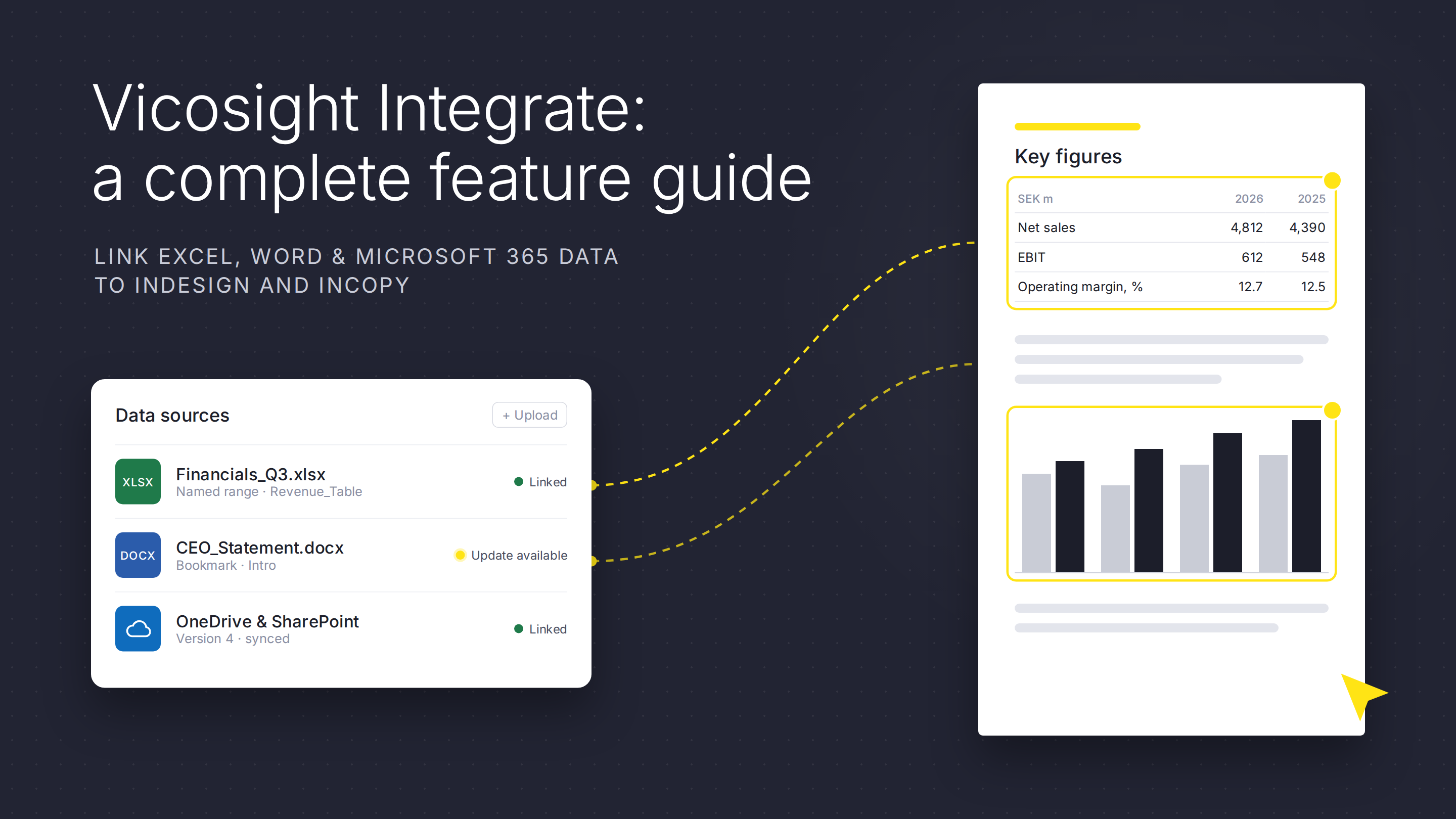
Vicosight Integrate is a data connectivity feature that enables you to link data sources directly to your InDesign and InCopy documents, reducing...
Read More
Vicosight Integrate: Chart Studio and other updates

Vicosight Integrate: Chart Studio and other updates

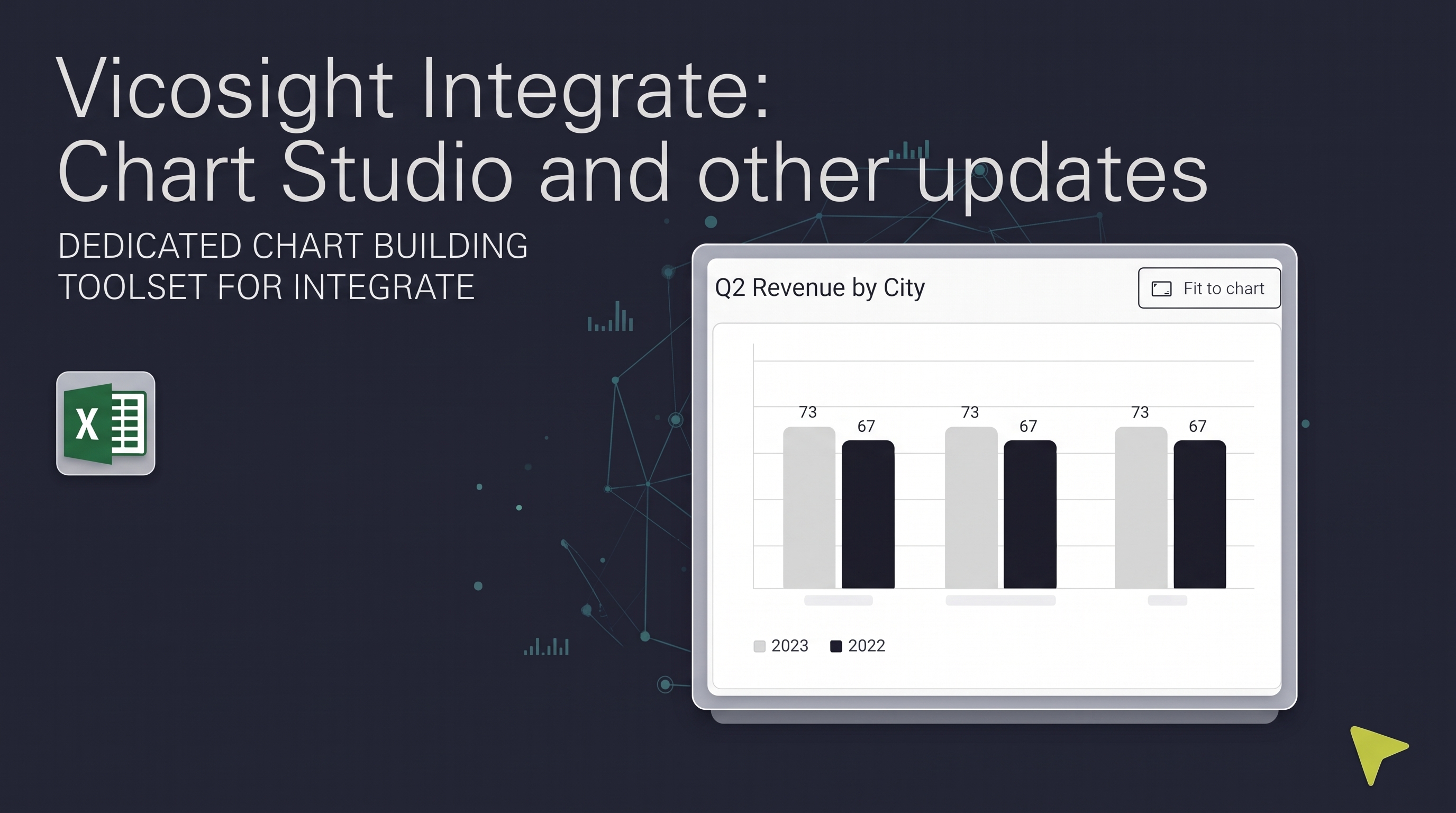
Over the past several months, Vicosight Integrate has received a series of updates introducing new capabilities and improvements to data handling,...

Read More
Crafting Vicosight new brand identity: evolving a 25-year legacy in corporate reporting

Crafting Vicosight new brand identity: evolving a 25-year legacy in corporate reporting

CtrlPrint has officially transformed into Vicosight, evolving from a trusted production tool into a modern digital ecosystem. Transitioning a 25-year...

Read More
Finland digital reporting update: PRH mandate, what you need to know

Finland digital reporting update: PRH mandate, what you need to know

Finland mandates digital financial reporting for all companies. Discover the timelines, technical requirements, and how to ensure compliance ahead of...

Read More
IFRS 18 and the ESEF 2025 taxonomy: what changes, and when?

IFRS 18 and the ESEF 2025 taxonomy: what changes, and when?

Discover the key changes brought by IFRS 18 and the ESEF 2025 taxonomy, including impacts on financial reporting and tagging strategies for companies.

Read More
5 design trends for annual reports

5 design trends for annual reports

1. Make an impression The first few spreads of your annual report act as a front door to your company. These are the first pages that readers will...

Read More